From Ancient Terraces to Modern Trellises: A Professional History of Vineyard Design

Recent Trends in Vineyard Layout and Technology
In the past decade, vineyard design has shifted from purely manual, tradition-based row orientation to data-driven configurations. Growers increasingly adopt GPS-guided planting, variable-rate irrigation, and high-density trellising systems to optimize sun exposure and airflow. The rise of precision viticulture allows blocks to be subdivided by soil type and microclimate, enabling targeted canopy management.
- Wider adoption of Vertical Shoot Positioning (VSP) trellises in cooler regions for better ripening.
- Use of automated pruning and mechanical leaf removal to reduce labor dependence.
- Integration of drone imagery and soil sensors to map vigor zones before planting.
Background: Evolution from Ancient Methods to Modern Systems
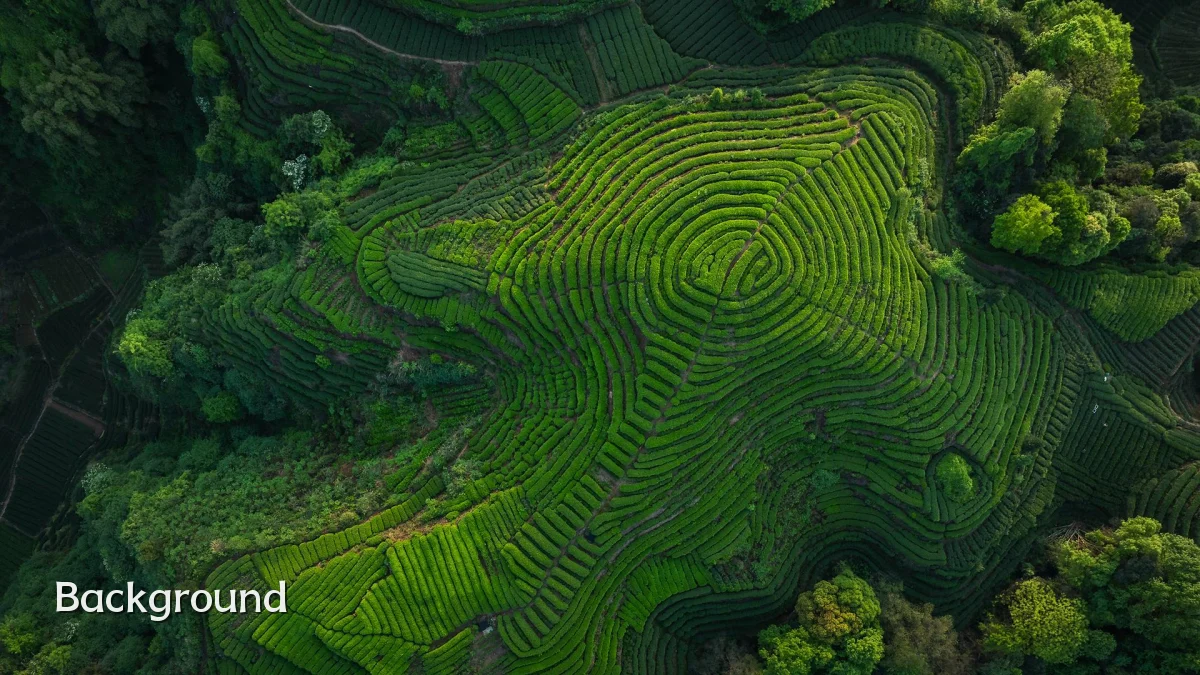
Vineyard design has always responded to local terrain and available materials. Ancient Mediterranean growers carved hillside terraces to control erosion and capture rainwater. During the Roman era, arbors and low bush vines were common. Medieval monastery vineyards expanded with simple stakes and ropes. The 19th century brought wire trellising, notably the Lenz Moser system, which allowed mechanization. By the mid-20th century, the Geneva Double Curtain (GDC) and Lyre trellis improved yield and quality in humid zones. The modern era emphasizes trellis height, row spacing, and canopy geometry as tools to manage fruit chemistry and disease pressure.
- Ancient terraces: stone walls, narrow rows, manual labor.
- 19th century: introduction of iron wire and standardized pruning.
- Post-1950: development of high-wire systems for mechanical harvesting.
- Contemporary: variable-density planting based on soil mapping.
User Concerns: Practical Challenges for Growers
Vineyard professionals face trade-offs between tradition, cost, and climate adaptability. Key concerns include:
- Initial investment: Replacing old gobelet or bush vines with modern trellising can cost thousands per hectare, including posts, wires, and training labor.
- Climate uncertainty: Warmer, erratic weather demands trellis designs that provide partial shade and wind protection, while still allowing mechanization.
- Labor shortage: Systems that rely on intensive hand-pruning (e.g., double guyot) are harder to staff; many growers consider hedgerow or minimal-pruning alternatives.
- Heritage vs. efficiency: Historic terraced vineyards are often impractical for modern machinery, yet they produce distinctive wines and hold cultural value.
Likely Impact on Production and Quality
Transitioning from traditional to modern vineyard design typically leads to measurable changes in yield consistency, fruit composition, and operational efficiency. Expect:
- Better uniformity of ripening when row orientation is aligned with prevailing wind and solar angles.
- Reduced disease pressure from improved canopy airflow in VSP and divided-canopy systems.
- Lower per-bottle production costs due to mechanized pruning, spraying, and harvesting, though upfront conversion costs can be high.
- Potential for earlier budbreak and frost risk if low-trained systems are replaced by high cordons in cold sites.
What to Watch Next
Ongoing developments in vineyard design point toward further automation and site-specific customization. Professionals should monitor:
- Robotic pruning platforms that can adapt to any trellis architecture, reducing the need for uniform row spacing.
- AI-driven canopy models that suggest real-time adjustments to shoot positioning and leaf removal based on weather forecasts.
- New trellis materials (composite posts, biodegradable ties) that lower carbon footprint.
- Collaboration between researchers and growers to re-evaluate ancient terrace designs for modern carbon sequestration and water retention benefits.