Learning from the Ancients: How Roman Vineyard Practices Still Inform Modern Viticulture

Recent Trends
In recent years, a growing number of vineyards across Mediterranean and temperate climates have revisited Roman-era techniques—particularly those described by agricultural writers from the first centuries BCE and CE. The impetus comes from a convergence of factors: pressure to reduce synthetic inputs, interest in dry-farming and drought-tolerant rootstocks, and a market that increasingly rewards wines expressing distinct terroir. Practices such as vitis arbustiva (training vines on living trees), passive rainwater harvesting, and high-density planting are being trialed at experimental sites in Italy, France, and Spain.

- Several hundred hectares in Tuscany and Provence now use variations of Roman-style arbor-trained vines to improve canopy air flow and reduce fungal pressure.
- Conservation-minded growers are restoring lime-rich drainage ditches (similar to Roman curricula) to manage heavy winter rains while retaining summer moisture.
- Organic and biodynamic producers are referencing ancient lunar and seasonal planting calendars documented by Pliny the Elder and Columella.
Background
Roman viticulture was highly systematic and regionally adaptive. Writers such as Cato the Elder (2nd century BCE), Varro (1st century BCE), Columella (1st century CE), and Pliny the Elder (1st century CE) left detailed accounts of vineyard layout, training systems, soil preparation, and pest management. Key principles included:
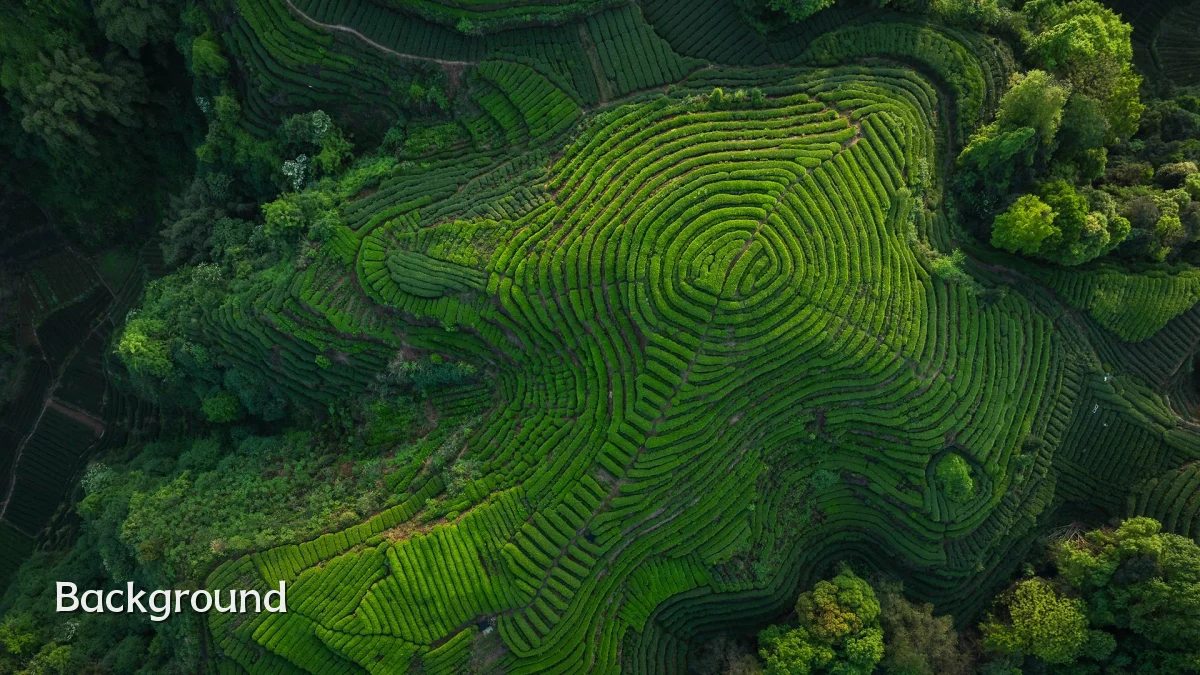
- Terracing and drainage: Slopes were carved into south-facing terraces with stone channels to control erosion and temperature.
- Low-intervention cultivation: Manures and green mulches were used; copper- or sulfur-based treatments were rare but known.
- Mixed planting: Olive trees, legumes, and herbs were intercropped to manage pests and improve soil structure.
- Density and pruning: Some regions planted up to 10,000 vines per hectare, trained low to avoid wind damage—a stark contrast to modern mechanical rows.
These methods were not static; they evolved over centuries and varied by province. Modern researchers caution against treating “Roman practice” as monolithic, but the written sources provide a rich baseline for experimentation.
User Concerns
Vintners and consultants evaluating these ancient methods commonly raise practical uncertainties:
- Labor intensity: High-density, low-trained vines and arbor systems require hand pruning and harvesting—costly in regions where skilled labor is scarce.
- Yields variability: Historical accounts suggest yields were often below modern averages; a shift could mean lower production per hectare, possibly offset by premium pricing.
- Climate mismatch: Roman-era temperatures and rain patterns were broadly similar to, but not identical with, today’s. What worked in a cooler, wetter period may need modification under current heat extremes.
- Authenticity vs. romanticism: Some growers worry that adopting “ancient” labels becomes a marketing gimmick rather than a genuine agronomic adaptation.
“The risk is turning a practical legacy into a costume.” — observation from an agronomist advising organic estates in Languedoc.
Likely Impact
If adopted more broadly, Roman-inspired practices could reshape vineyard management in several measurable ways:
- Soil health: Reduced tillage and increased organic matter from intercropping may build long-term fertility and carbon storage.
- Water efficiency: Passive rainwater capture and evaporation-reducing canopy designs could cut irrigation demand by a range of 20–40% in moderate-drought years.
- Flavor profile: Early evidence indicates that some Roman-trained vines produce berries with thicker skins and higher tannin-to-sugar ratios, which can yield wines with greater aging potential.
- Crop resilience: Mixed planting and genetic diversity from ancient rootstocks (some still surviving in abandoned terraces) may buffer against single-pathogen outbreaks.
However, the transition period—typically three to five years for a full vineyard overhaul—carries financial and quality risk. Most adopters start with a small block or a single variety before scaling.
What to Watch Next
The revival of Roman viticulture is still in an early experimental phase. Key developments to monitor include:
- Field trials by research institutes: The University of Pisa and INRAE (France) are running controlled plots comparing Roman density and training systems on modern cultivars, with results expected in the next two to three vintages.
- Integration with precision viticulture: Using drones and soil sensors to map Roman-era terrace remnants and optimize replanting layouts without full manual reconstruction.
- Regulatory shifts: Some PDO bodies are considering amendments to allow limited use of “ancient” methods (e.g., inter-row cover crops) without losing appellation status.
- Market signals: Premium wine auctions and restaurant lists are increasingly featuring bottles labeled “arboresco” or “columellae” – a trend that may validate the economic case for wider adoption.
As climate pressures intensify, the line between historical curiosity and practical necessity continues to blur. The next few seasons will show whether ancient Roman vine wisdom is a nostalgic footnote or a blueprint for resilient viticulture in the 21st century.