Ways to Apply Terroir Thinking to Your Home Garden

Across the gardening community, a quiet shift is under way as more home growers borrow a concept long central to wine, coffee, and cheese: terroir. Traditionally defined as the set of environmental factors—soil, climate, topography, and cultural practices—that shape a product’s character, terroir is increasingly being viewed through a practical lens for the backyard or balcony plot. This analysis examines how recent trends, foundational ideas, common gardener concerns, likely impacts, and emerging developments are converging around a practical terroir approach.
Recent Trends: Soil Consciousness and Microclimate Awareness
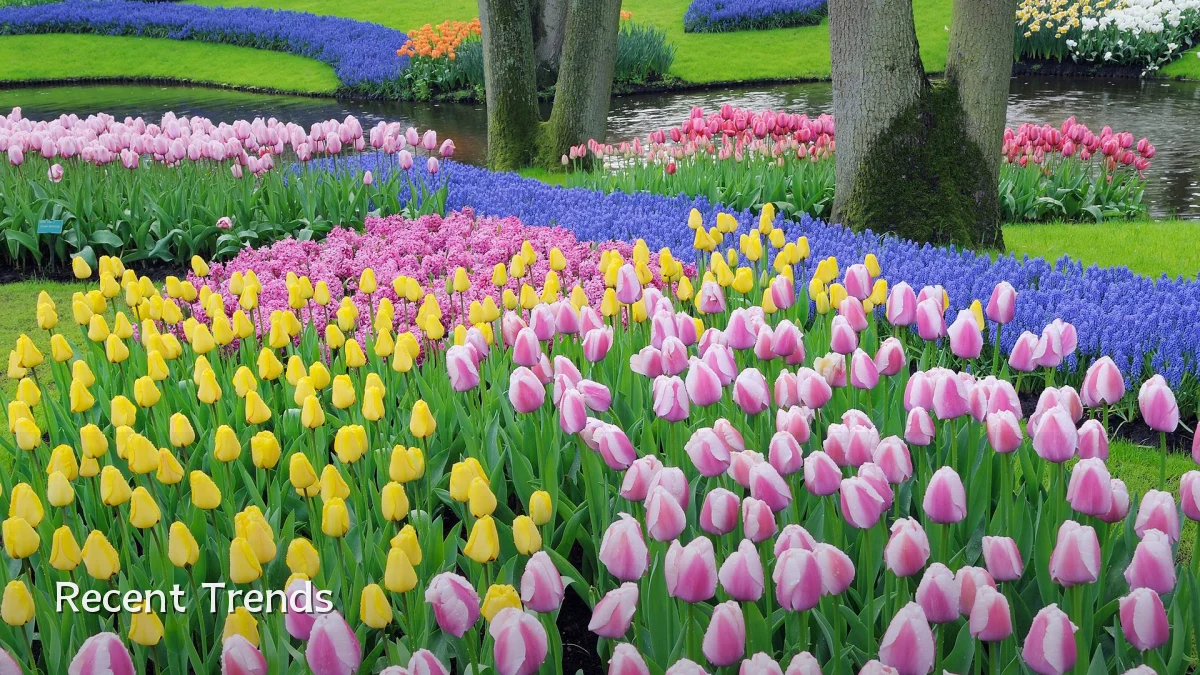
In the past few growing seasons, home gardeners have shown heightened interest in soil testing, compost building, and site-specific plant selection. Social media and local gardening groups now routinely share observations about how the same tomato variety performs differently across neighborhoods, or even between sunny and shaded corners of a single yard. These informal experiments mirror the precision of vineyard management but require no formal training. Seed catalogs and extension services have responded by highlighting varieties suited to particular regional conditions, from dense clay to sandy loam.
- Rise of community soil workshops and DIY pH testing kits
- Increased discussion of “garden microclimates” in forums and blogs
- Growers seeking out heritage or locally adapted seeds rather than generic hybrids
Background: From Vineyard to Vegetable Bed
The concept of terroir originated in French viticulture, where centuries of observation linked wine character to specific parcels of land. In recent decades, the idea expanded to artisanal foods and has now filtered into mainstream horticulture. What makes terroir practical for home gardeners is its focus on variables they can actually observe and influence: how water drains after a rain, where frost settles, which direction beds face, and what organic matter is available. Unlike the winemaker’s detailed appellation system, the home grower’s terroir map is personal and scale-appropriate—often no larger than a few hundred square feet.

User Concerns: Complexity and Overthinking
Many home gardeners worry that terroir thinking demands scientific equipment, technical soil reports, or complex record-keeping. Some fear that focusing on environmental nuance will make gardening feel like work rather than pleasure. Others question whether terroir matters for annual vegetables that are replanted each season, as opposed to long-lived vines or trees. Horticulturists and experienced growers generally suggest a middle path: apply terroir principles gently, starting with the most visible factors—sunlight hours, soil texture, and water availability—and only fine-tune after multiple seasons of observation.
- Key concern: “I don’t have the time to analyze every square foot.”
Response: Choose one or two variables (e.g., soil drainage or exposure) to explore each season. - Common pitfall: Trying to mimic a region’s conditions exactly.
Advice: Adapt varieties that thrive in the growing conditions you actually have, not the ones you wish for. - Realistic expectation: Terroir thinking rarely produces dramatic differences in yield, but it can improve flavor, resilience, and satisfaction.
Likely Impact: More Intentional Gardens and Better Flavor
Integrating practical terroir is expected to shift how home gardeners choose varieties, prepare soil, and plan crop rotations. Instead of buying whatever seedling is on offer, growers may start selecting cultivars based on their own site’s moisture regime, typical temperature range, and organic matter content. Early adopters report that vegetables grown with terroir in mind—like carrots from deep, sandy loam or basil from a sunny, sheltered bed—show more pronounced flavors and better resistance to local pests. Over several seasons, a garden can develop a distinct signature that reflects its unique place.
- Impact on variety selection: Favoring regional heirlooms and open-pollinated strains over generic hybrids
- Impact on soil management: Tailoring amendments (compost, minerals) to specific soil deficiencies rather than using all-purpose fertilizers
- Impact on garden planning: Positioning crops to match sun/shade patterns, wind protection, and frost-prone low spots
What to Watch Next: Citizen Science and Data Democratization
Several developments could accelerate the adoption of practical terroir among home gardeners. Low-cost soil sensors that measure moisture, temperature, and electrical conductivity are becoming more common, and some companies offer mail-in lab analysis for micronutrients at a moderate price. Online platforms now allow gardeners to contribute site data—soil type, rainfall, first/last frost dates—to collaborative maps that benefit local growing communities. In coming years, expect more extension services to publish “terroir profiles” for suburban and urban zones, and seed companies to market varieties with specific microenvironmental tags (e.g., “thrives in east-facing slope gardens”).
- Emerging tool: Smartphone apps that correlate planting dates with local soil temperature readings
- Community initiative: Neighborhood garden mapping projects that share terroir observations comparing block-by-block differences
- Potential shift: Plant breeders developing lines explicitly for small-scale, high-diversity home systems rather than uniform agricultural fields
Terroir thinking, when stripped of its mystique and made practical, offers home gardeners a framework for deeper observation and more connected growing. The trend is likely to continue as interest in local food, climate adaptation, and mindful cultivation grows.