How Winemakers Leverage Terroir to Craft Distinctive Wines
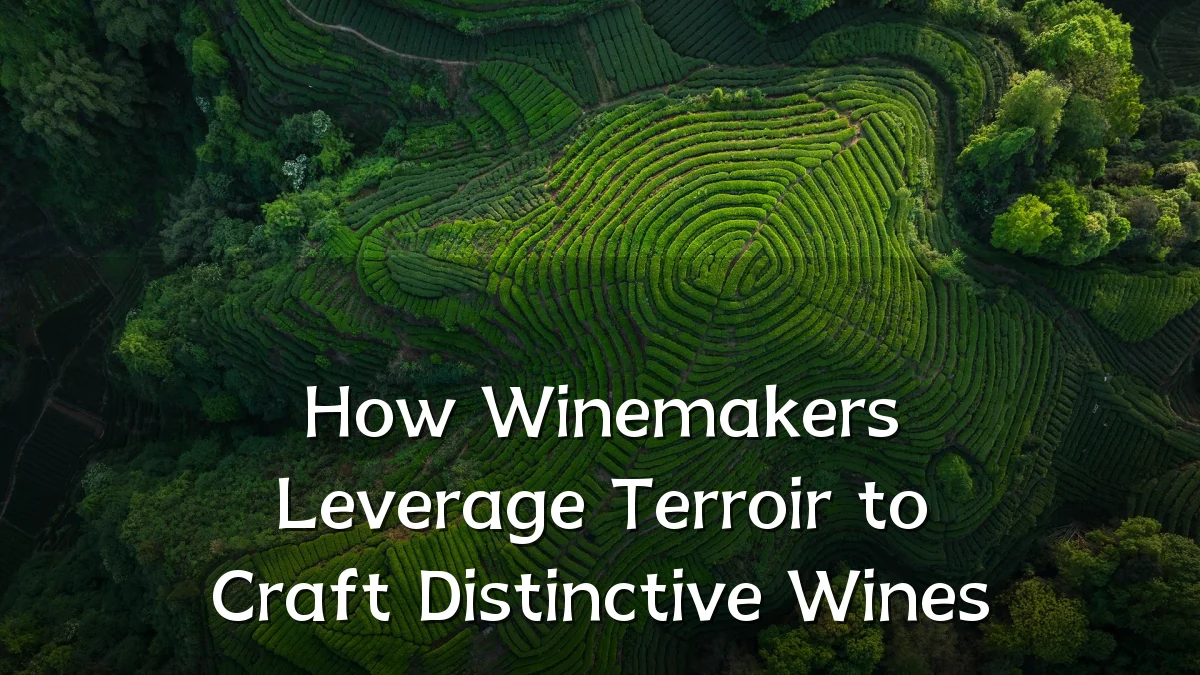
Terroir—the interplay of soil, climate, topography, and human practice—has long been a cornerstone of wine identity. In recent years, winemakers have moved beyond simple geographic labeling to actively decode and amplify the specific elements that make their vineyards unique. This shift toward a more intentional, analytical approach is reshaping how wines are grown, made, and marketed.
Recent Trends
Producers today are drilling deeper into the components of terroir, treating it not as a static inheritance but as a toolkit to be understood and managed. Key developments include:

- Micro-terroir mapping – Vineyard blocks are now parsed by soil type, slope aspect, and drainage, allowing site-specific pruning, irrigation, and harvest timing.
- Precision viticulture – Sensors, drones, and soil scans help winemakers correlate measurable data with flavor outcomes, guiding interventions that preserve or highlight terroir character.
- Climate adaptation – Rather than abandoning traditional terroir zones, many growers experiment with rootstocks, canopy management, or grape varieties suited to evolving conditions while staying true to regional identity.
- Direct-to-consumer storytelling – Wineries increasingly share detailed vineyard maps, geochemical analyses, and vintage variation notes, turning terroir into a selling point for curious buyers.
Background
The concept of terroir originated in European wine regions, where place of origin was codified through appellation systems. For decades, the idea remained somewhat romantic: the “taste of a place” was a given, not a variable to be engineered. That view has shifted. Modern winemakers now recognize that terroir is only useful if it translates clearly into the glass. A chalky soil profile, for example, may impart minerality only if the vine canopy is managed to allow enough sunlight, and if the winemaker avoids over-extraction. The same vineyard can yield vastly different wines depending on decisions made vine by vine. This pragmatic framing—what some call “useful terroir”—treats the land as a starting point, not a guarantee.

User Concerns
Consumers and trade buyers have begun scrutinizing terroir claims more closely. Common questions include:
- Authenticity vs. marketing – When does a region’s story become a label gimmick? The line between genuine expression and commercial branding can blur, especially in newer appellations.
- Climate disruption – Rising temperatures and erratic weather are altering the classic profiles of established terroirs (e.g., Burgundy Pinot Noir gaining higher alcohol), leaving drinkers to wonder what “place” really tastes like anymore.
- Cost correlation – Wines with explicit terroir focus often command a premium, yet not every consumer can verify whether that premium reflects quality or merely narrative.
- Traceability – Without independent verification mechanisms, a bottle’s terroir claim rests entirely on producer trust. Third-party certifications for vineyard origin remain rare outside some European systems.
Likely Impact
As winemakers continue to leverage terroir intentionally, several shifts are expected:
- Vineyard management will become more granular, with tailored approaches for each block rather than whole-vineyard recipes.
- Labeling may evolve to include geolocation data, soil composition summaries, or vintage climate notes, adding complexity but also clarity for informed consumers.
- Regions once overshadowed by famous neighbors (e.g., limestone-rich subzones in cooler climates) could gain recognition for distinctive terroir-driven styles.
- The legal definition of origin appellations may tighten, requiring producers to demonstrate not just where grapes are grown but how vineyard practices preserve the purported terroir character.
What to Watch Next
The conversation around useful terroir is far from settled. Key developments to follow include:
- Legal clarity – Watch for updates to appellation rules, especially in jurisdictions that currently define terroir loosely or not at all.
- Blockchain and AI tracking – Emerging platforms that log vineyard data from pruning to bottling could offer consumers a verifiable terroir chain-of-custody.
- Cross-regional research – Collaborative studies between growers in different climates may reveal which terroir factors are robust—and which are being overwhelmed by warming.
- Consumer education initiatives – Industry groups and independent educators are developing tastings and guides that help drinkers recognize terroir expression, reducing reliance on reputation alone.