What Does 'Terroir' Mean for English Wine?

Recent Trends
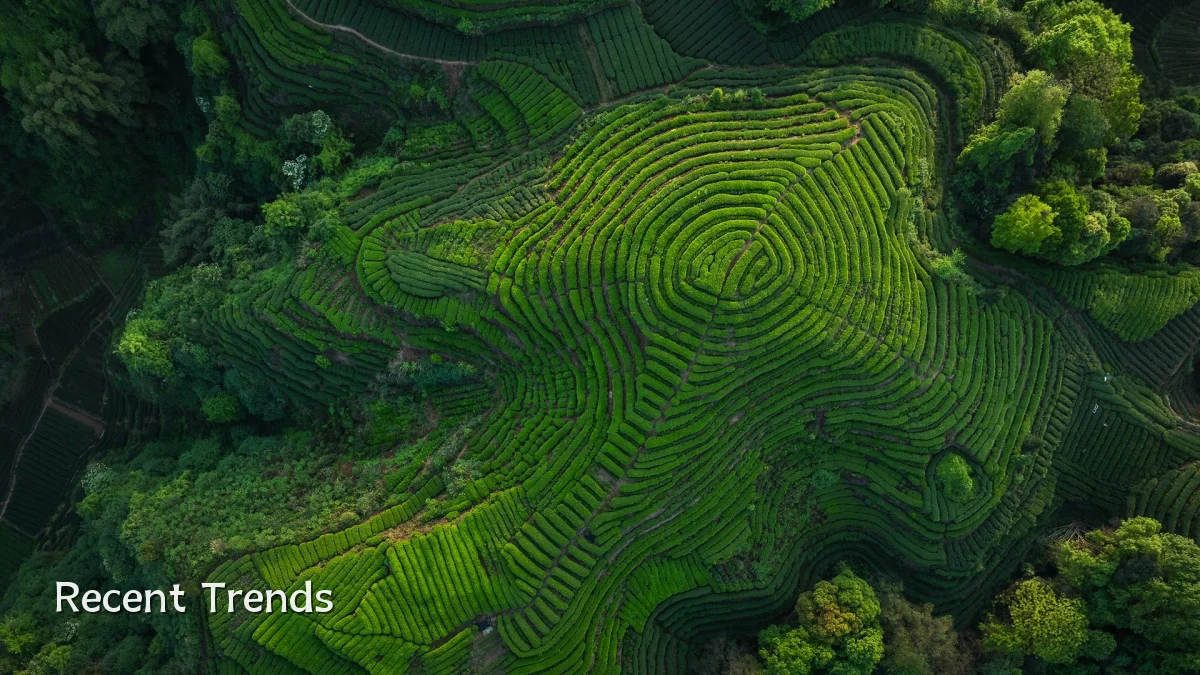
English wine production has expanded steadily over the past two decades, with vineyard plantings increasing across southern and eastern counties. Growers now cultivate varieties such as Chardonnay, Pinot Noir, and Bacchus in regions that were once considered marginal. This growth has prompted a closer look at how local conditions—soil, slope, climate—affect the character of the wines. A handful of producers have begun to label wines by specific estate or vineyard block, mirroring the language of terroir used in classic European regions. Climate patterns have shifted, with warmer growing seasons allowing riper fruit and more consistent harvests, but also bringing new challenges such as spring frosts and variable rainfall.
- English sparkling wine has gained international recognition, often compared to Champagne.
- Smaller still-wine producers are experimenting with site-specific bottlings.
- Trade bodies and regional associations are mapping soil and microclimate data to define sub-regions.
Background
The term “terroir” originates in French viticulture, referring to the combination of soil, topography, climate, and vineyard management that gives a wine a sense of place. For England, terroir means something slightly different. The country’s cool, maritime climate produces wines with high acidity and delicate aromatics—an advantage for sparkling styles but a limitation for fuller-bodied reds. Soils range from chalk and limestone in Sussex and Kent (similar to Champagne) to clay, greensand, and loam in Hampshire, Dorset, and East Anglia. Historically, English viticulture was small-scale, but the modern era began in the late 20th century with plantings on south-facing slopes and improved clones. Today, the concept of terroir is being actively explored as growers seek to differentiate their wines in a crowded market.

- Chalk soils in the South Downs are prized for their drainage and mineral influence.
- Coastal and inland sites produce distinct flavour profiles due to wind and temperature variation.
- English vineyards are typically cooler than most classic wine regions, leading to a focus on acidity and freshness.
User Concerns
Consumers and trade buyers evaluating English wine often ask whether a clear “sense of place” exists or if the wines are simply well-made products shaped by a narrow climate range. There is scepticism that “English terroir” can be meaningfully defined when the industry is still young and most vineyards are planted with a limited set of international varieties. Some worry that an overemphasis on terroir could lead to inflated prices or confusing labels before regional characteristics are fully understood. Others question whether the concept should be applied to wines made from grapes grown within a single county or estate, given that many producers blend across sites to achieve consistency. Practical concerns include the lack of a formal appellation system for still wines and the cost of small-batch, terroir-focused production.
“Without a long history of single-vineyard bottlings, English terroir remains more a promise than a proven identity—but the potential is visible in the best examples.”
Likely Impact
If the trend toward terroir-driven English wine continues, several outcomes are probable. First, more producers will invest in site-specific vineyard management and separate bottling, increasing diversity in the market. Second, regional branding—such as Sussex, Kent, or Hampshire—may become more formalised, possibly leading to protected designations. This could help consumers identify wines with distinct characters and support premium pricing. Third, research into soil types, clone selection, and microclimates will accelerate, providing data that reinforces or challenges the idea of English terroir. On the flip side, a fragmented approach might confuse casual buyers and dilute the overall “English wine” story, especially in export markets where a unified national image has been helpful.
- Increased use of terms like “estate-grown” and “single-vineyard” on labels.
- Potential for a sub-regional appellation system within a decade.
- Higher production costs for small-lot wines, reflected in retail prices.
- Greater emphasis on vineyard-specific tasting notes and education.
What to Watch Next
The evolution of English terroir will depend on several factors. Watch for the publication of detailed soil and climate maps by industry bodies, which could formalise sub-regions. Observe how leading producers release multi-vintage comparisons from single sites, building a record of how vintage variation interacts with place. Keep an eye on changes in the UK’s alcohol duty and vineyard registration policies, as they can influence the economics of small-scale, terroir-focused bottling. Finally, note how international wine critics and competitions respond—consistent high scores for site-specific English wines would accelerate adoption, while mixed reception might slow the narrative.
- Soil surveys by regional wine associations.
- New plantings in hitherto unplanted areas (e.g., Wales, Yorkshire).
- Legal recognition of “Sussex” or “Kent” as protected names.
- Consumer tastings and blind flights comparing English and classic terroir wines.